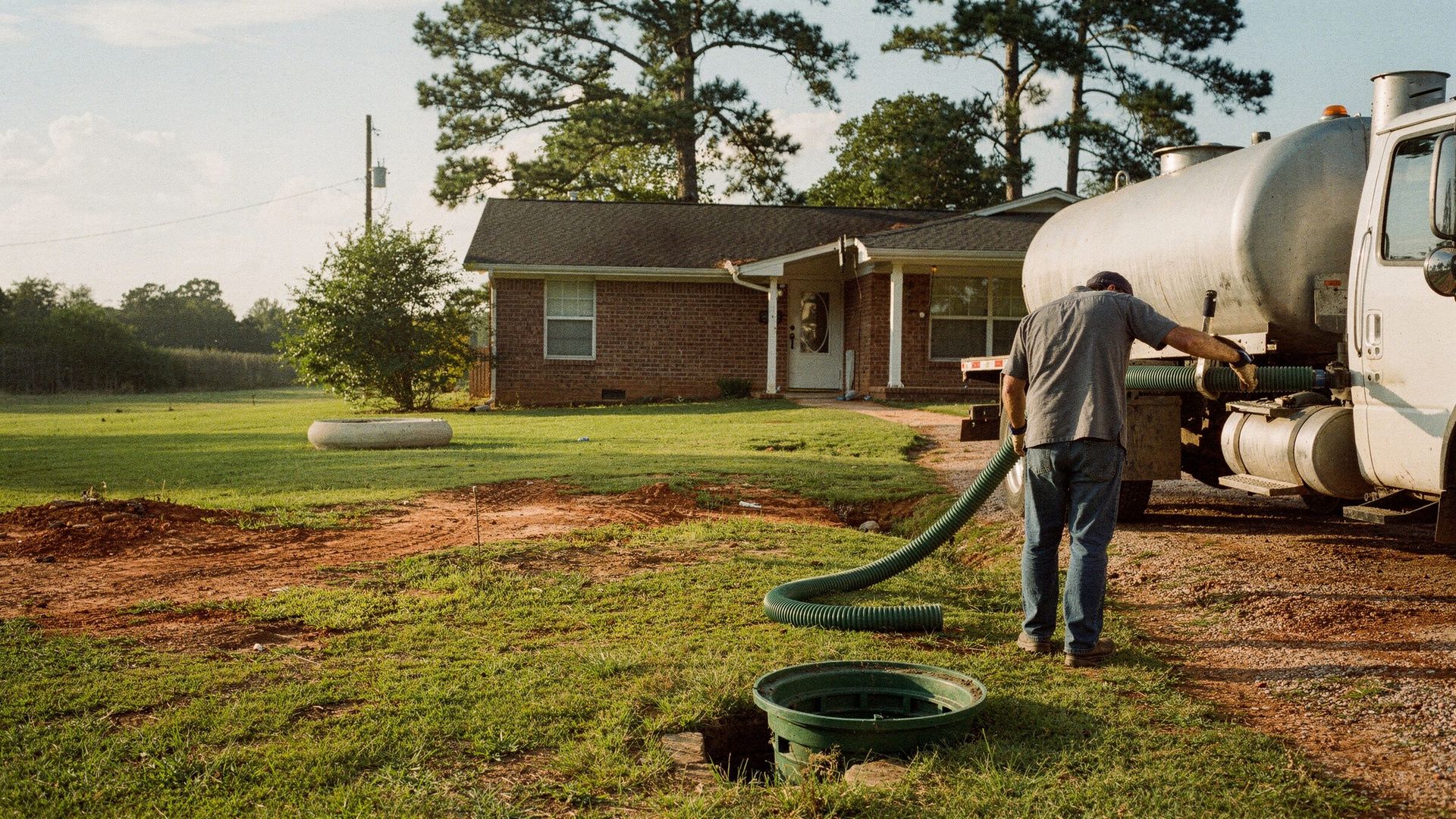
Ask for the license number
Texas licenses septic work through the TCEQ. Before anyone digs, ask for their OSSF license number and check it on the TCEQ license lookup. Due for pumping? The EPA puts most household tanks at every 3 to 5 years.
East Texas · free service, no obligation
Septic pumping, repair, installation and inspections for homes and land across Tyler, Longview and East Texas. Tell us what's going on and we'll get you set up with a local septic company that serves your area.
Free to ask. No obligation.
Leave your number and we'll call you back, free and with no obligation.
Start here
Emergencies first, planned work below. Do the first step on the card, then reach out.
Services
Conventional and aerobic, homes and businesses, routine pumping to full installs.
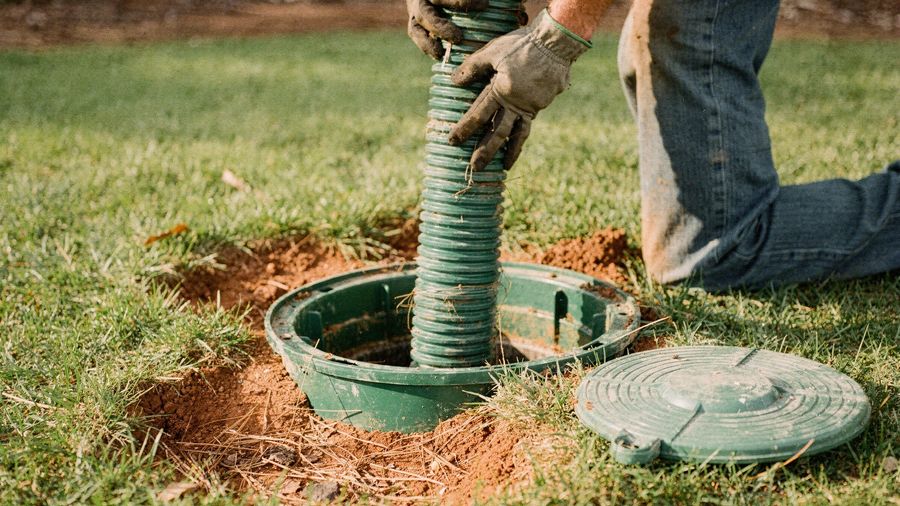
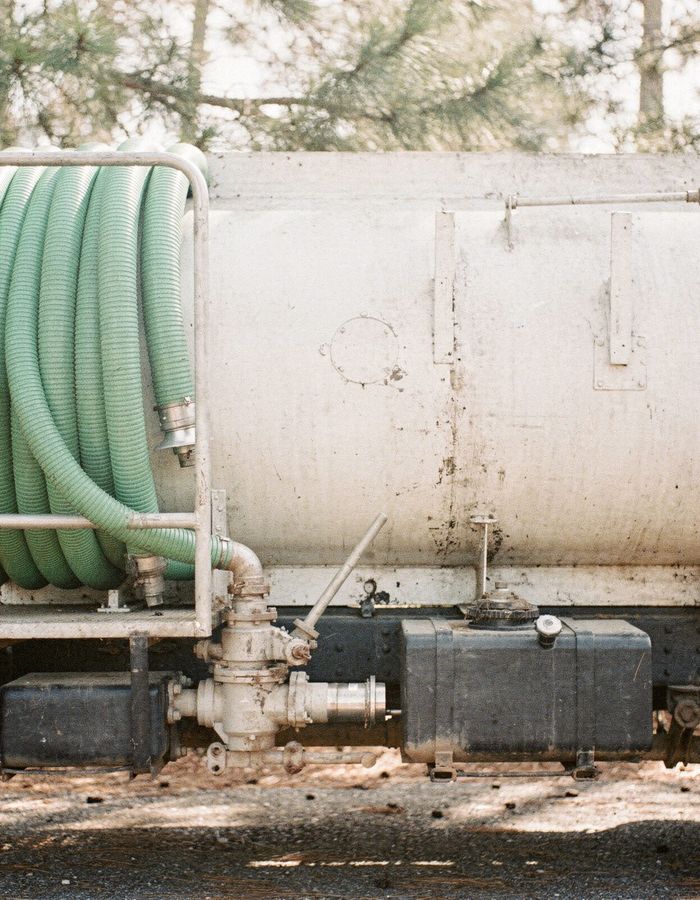
Septic tank pumping, also called septic tank cleaning, removes the sludge and scum from your tank every three to five years. We help Tyler, Longview and East Texas…
Learn more →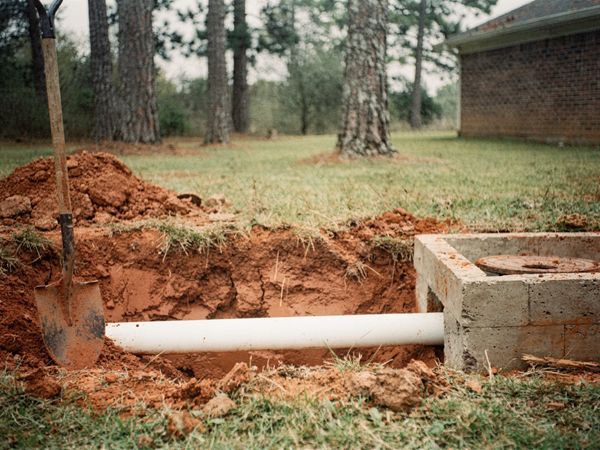
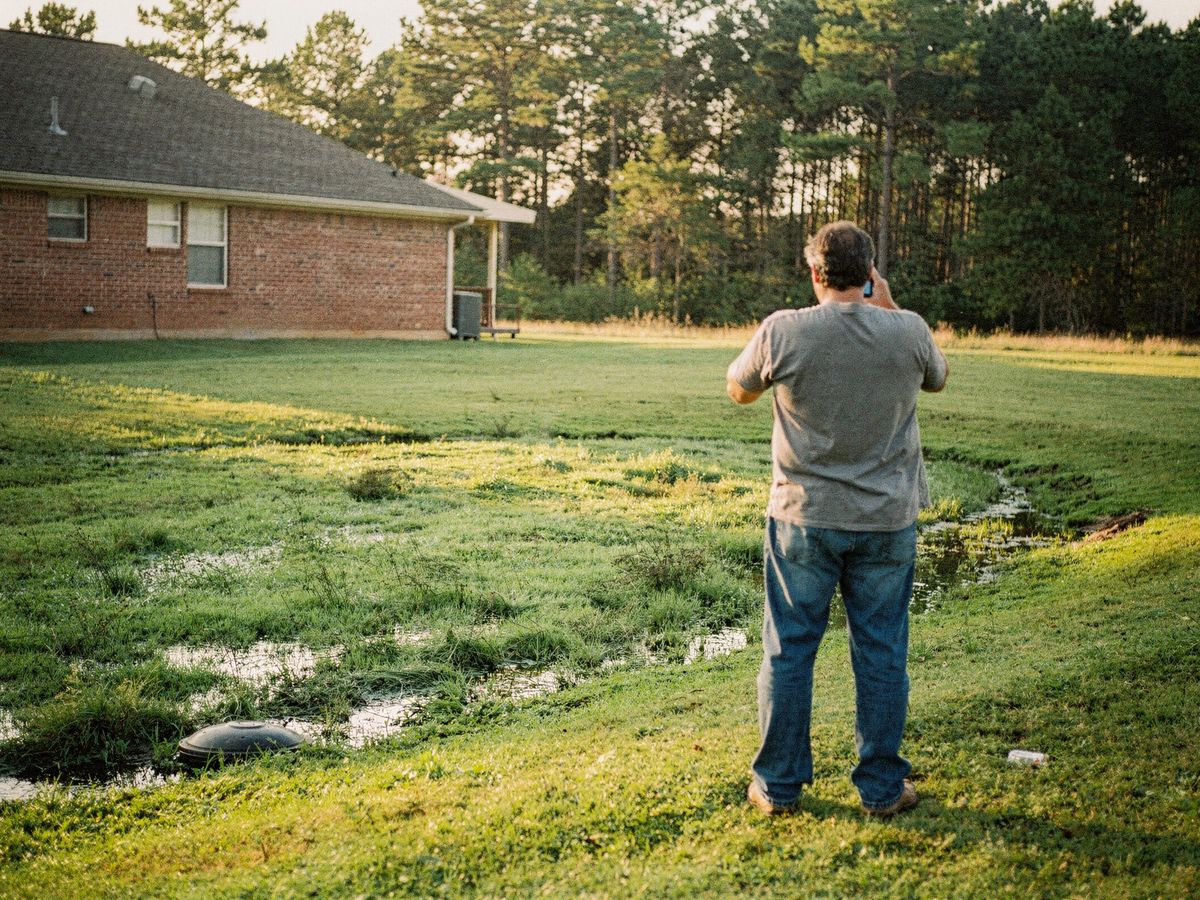
Sewage backing up, a soggy yard or a failing drain field all need attention fast. We'll set you up with a…
Learn more →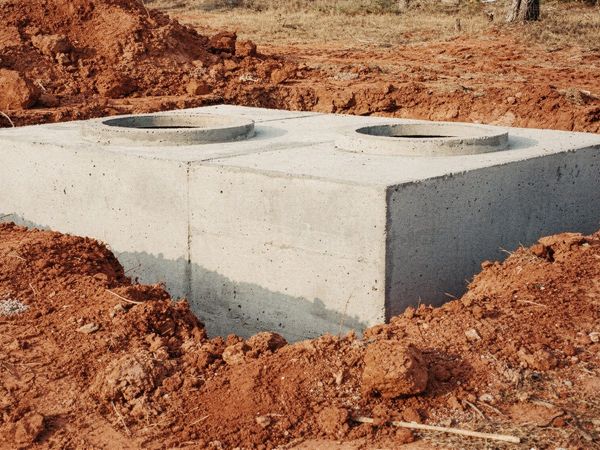
New construction, a failed system or an addition all can mean a new septic system. We'll set you up with a…
Learn more →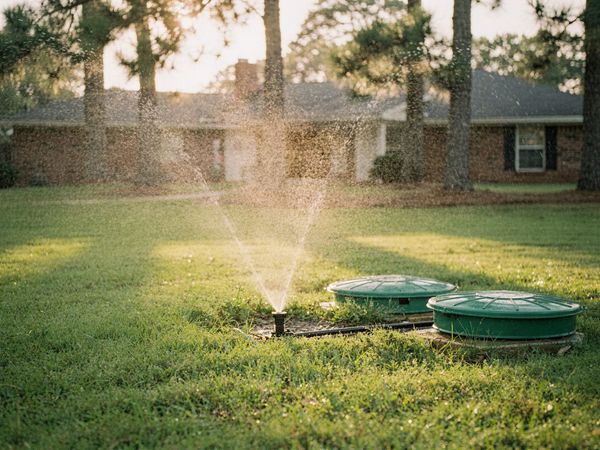
Aerobic treatment units run on Texas-specific maintenance rules. We'll set you up with a local company…
Learn more →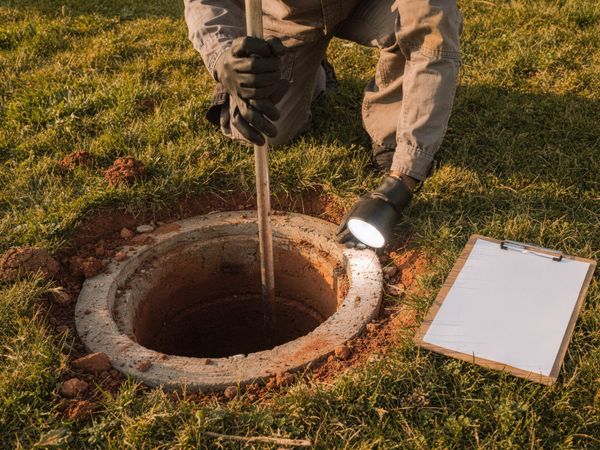
Buying or selling a home, or just want to know your system's condition? We'll set you up with a local…
Learn more →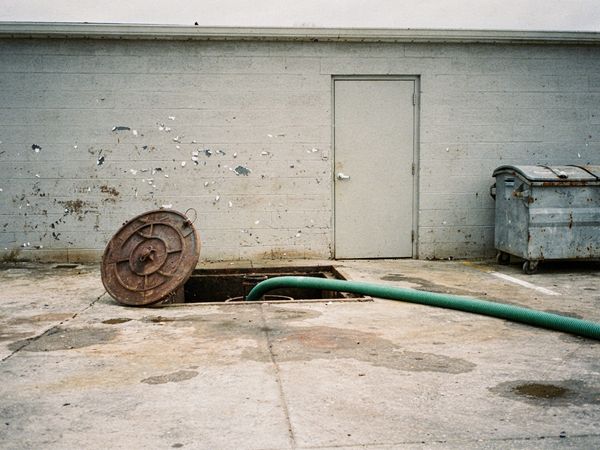
Restaurants and food service businesses: we'll set you up with a local company that pumps and cleans grease…
Learn more →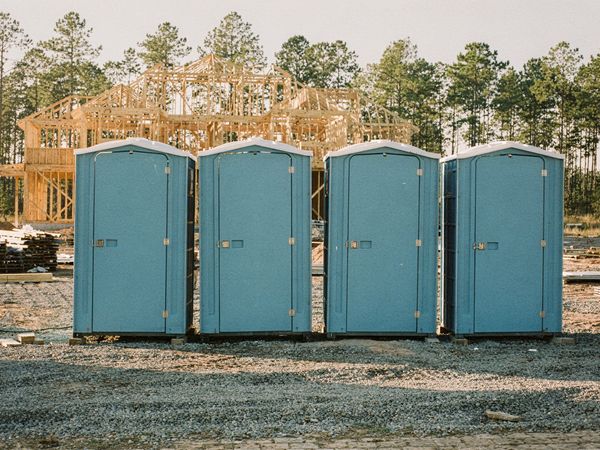
Events, construction sites and properties without easy bathroom access: we'll set you up with a local…
Learn more →How it works
Tell us what is going on and where you are. Requesting a call back is free.
Local to East Texas, not a national call center.
Ask for it in writing before anyone digs. No obligation, and you choose who to hire.
Why reach out to us
We'll get back to you and line up the right help for your septic problem.
Pumping runs about $300 to $700 for a 1,000-gallon tank. Know the range before you decide.
Who permits your system, what Texas asks of aerobic owners, what a seller must disclose.
Free to use, no obligation. Get the plan and the price, then decide.
Texas licenses septic work through the TCEQ. Before anyone digs, ask for their OSSF license number and check it on the TCEQ license lookup. Due for pumping? The EPA puts most household tanks at every 3 to 5 years.
Service area
Pick your town for local permit rules and service details. On rural land between towns? Reach out anyway.
Guides
A breakdown of what septic pumping, inspection, repair and new installation typically cost, so you know roughly what to expect before you reach out.
Read the guide →GuideThe habits and schedule that keep a septic system working, so pumping and small repairs are the only bills you ever see.
Read the guide →Reference
Last reviewed
A septic system treats a home’s wastewater on its own lot, using a buried septic tank and a drain field. Wastewater from your home flows into the tank, where solids settle to the bottom as sludge and oils and grease float to the top as scum. The clearer liquid in the middle then drains out to the drain field, a shallow, covered area of unsaturated soil where it filters through the ground. That filtering removes bacteria, viruses and nutrients before the water rejoins the groundwater, as the U.S. Environmental Protection Agency (EPA) explains.
Most East Texas properties use a conventional (anaerobic) system: a septic tank and a gravity-fed drain field, with no moving parts beyond the pipes themselves. Some lots, especially ones with poor soil, high water tables, or tight space, use an aerobic treatment unit instead. Aerobic systems add air to the tank to speed up treatment, then often disinfect the water with chlorine before spraying it across the yard through sprinkler heads. Aerobic units have electrical components (a pump, an air compressor, sometimes an alarm) and need more frequent professional attention than a conventional system. The aerobic septic systems page covers how they are serviced in Texas.
A septic system needs attention when drains slow down across the house, plumbing gurgles, or sewage smells or wet ground show up near the tank or drain field. If you notice more than one of these, it’s worth having a septic company take a look before a small issue becomes a backup in your house:
If sewage is backing up into your home, stop using water and request a call back. The septic repair page explains what usually fails and how repairs are handled.
Septic tank pumping is the routine job that keeps a system working, and the EPA’s care guidance puts most household tanks on a schedule of every three to five years. The exact interval depends on household size, total wastewater use and how much solid waste goes down the drain, and systems with pumps or other mechanical parts should be inspected about once a year.
Waiting too long between pumpings lets solids escape into the drain field, which is one of the more expensive things that can go wrong with a septic system. For the sludge and scum levels that trigger a pump-out, see how often to pump a septic tank, and for everyday habits see the septic tank maintenance guide.
Most septic repairs fix one failed part rather than the whole system. Common repairs include a cracked tank lid, a failed pump on an aerobic unit, a clogged distribution box, or a section of drain field that’s stopped absorbing water properly. A local company can typically pinpoint which of these you’re dealing with through an inspection and, if needed, a camera run through the lines. If you’re seeing standing water, backups, or a persistent sewage smell outside, treat it as a repair situation rather than something to wait out.
A new septic system in Texas needs a site evaluation and an OSSF permit from the local authorized agent before any installer can dig. The Texas Commission on Environmental Quality (TCEQ) regulates on-site sewage facilities (OSSFs) under 30 TAC Chapter 285, and licenses the installers, site evaluators and maintenance providers who work on them. TCEQ itself usually isn’t the office that issues the permit, though: in most of the state, a local jurisdiction, often the county, is authorized to run the OSSF permitting program. In Gregg County, for example, the Gregg County Health Department is the authorized agent for OSSF permits.
Before you can even apply for a permit, state rules require a site evaluation by a licensed TCEQ Site Evaluator or a licensed Professional Engineer, covering a survey of the lot and a soil analysis where the drain field is proposed. Once a complete application is filed, the permitting authority generally has 30 days to approve or deny it. Here’s the general order of steps:
For the full process, conventional vs aerobic options and cost ranges on new systems, see septic system installation.
Good septic tank maintenance comes down to a few habits that keep the tank and drain field from failing early. Pump on schedule, never flush anything other than human waste and toilet paper, keep grease and chemicals out of every drain in the house, and keep heavy vehicles and new construction off the drain field. Aerobic systems need extra attention: TCEQ’s maintenance rules require a maintenance provider to inspect and report on the system at least every four months during the required contract period. The maintenance guide covers the full list of dos and don’ts.
Septic tank pumping costs about $300 to $700 for a typical 1,000-gallon tank in national cost guides, and a new conventional system about $3,500 to $8,500, per HomeGuide. Costs vary by tank size, system type and how much work is needed, so treat any figure as a starting point:
| Job | National range | Source |
|---|---|---|
| Pumping a 1,000-gallon tank | $300 to $700 | HomeGuide pumping costs |
| Common septic repairs | $600 to $3,000 | HomeGuide repair costs |
| Drain field replacement | $3,000 to $15,000 | HomeGuide repair costs |
| New conventional system, installed | $3,500 to $8,500 | HomeGuide system costs |
| New aerobic system | $10,000 to $20,000 | HomeAdvisor |
| Permits, inspections and testing | $1,000 to $2,000 | HomeGuide system costs |
These are national averages, not East Texas quotes. The septic pumping cost guide has the pumping tables by tank size, and you should always get a written estimate from the company you’re connected with before work starts.
East Texas relies on septic systems because much of the region, including the rural land around Tyler and Longview, sits outside city sewer service. For those homes a properly working septic system is the only wastewater treatment they have, so routine pumping and maintenance is more than a chore. Buying or selling one of these homes adds another wrinkle, since Texas Property Code Section 5.008 requires sellers of previously occupied single-family homes to complete a disclosure form that specifically calls out the septic system. Each service area page covers the county permit office and local conditions for that town.
Texas doesn’t require a septic inspection to close a sale, but the required Seller’s Disclosure Notice does call out the septic system as something the seller must disclose, and many lenders or buyers ask for an inspection anyway before closing. If you’re in that situation, schedule a septic inspection early so you have time to address anything it turns up before your closing date.
We cover every septic job below, plus two commercial services:
If your system is backing up, smells, or just hasn’t been serviced in a while, request a call back and we’ll get you set up with a septic company that covers your area. Every fact on this site comes from a public source listed on the sources page.
FAQ
It covers the ongoing care of a septic system: pumping the tank, inspecting the tank and drain field, repairing failed components, and installing new systems or aerobic units. The septic company we set you up with can handle one of these jobs or set up a maintenance schedule so problems get caught early.
The EPA says household septic tanks are typically pumped every three to five years, though your household size, tank size and total wastewater use can move that number up or down. Systems with electrical or mechanical parts, like aerobic units, generally need inspection about once a year, and Texas requires more frequent professional checks during the first two years after an aerobic unit is installed.
National cost guides put septic tank pumping at roughly $0.30 to $0.70 per gallon, so a typical 1,000-gallon tank runs about $300 to $700. Larger tanks cost more: figure $375 to $875 for 1,250 gallons and $450 to $1,050 for 1,500 gallons. The septic pumping cost guide on this site breaks the numbers down by tank size and job type.
A 1,000-gallon tank generally follows the same three-to-five-year window as other conventional tanks, but a full-time household of four or more people can shorten that. The real signal is the sludge and scum level inside the tank, not a fixed calendar date, so an inspection is the most reliable way to know.
Septic problem?
Waiting lets solids wash into the drain field, one of the costliest septic repairs. We'll help with any septic job in Tyler, Longview and East Texas.
Request a call back, it’s freeFree to use · No obligation · No pressure, you decide